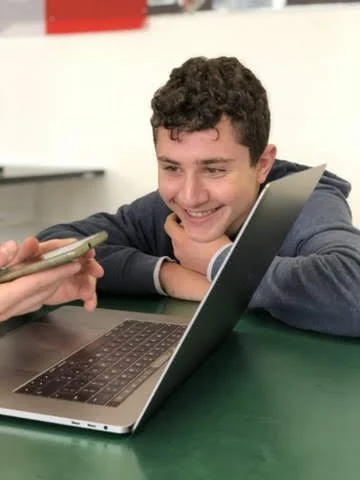
Push Pull is C&T long-running participatory project that enables young people to research, dramatise, and digitise their lived experiences of migration. Developed in response to the complex forces that shape why people move, the project takes its name from the “push” factors that force displacement and the “pull” factors that draw people elsewhere. At its core, Push Pull places young people as researchers, storytellers, and creative leaders, giving them the tools to frame their own narratives rather than having stories told about them.
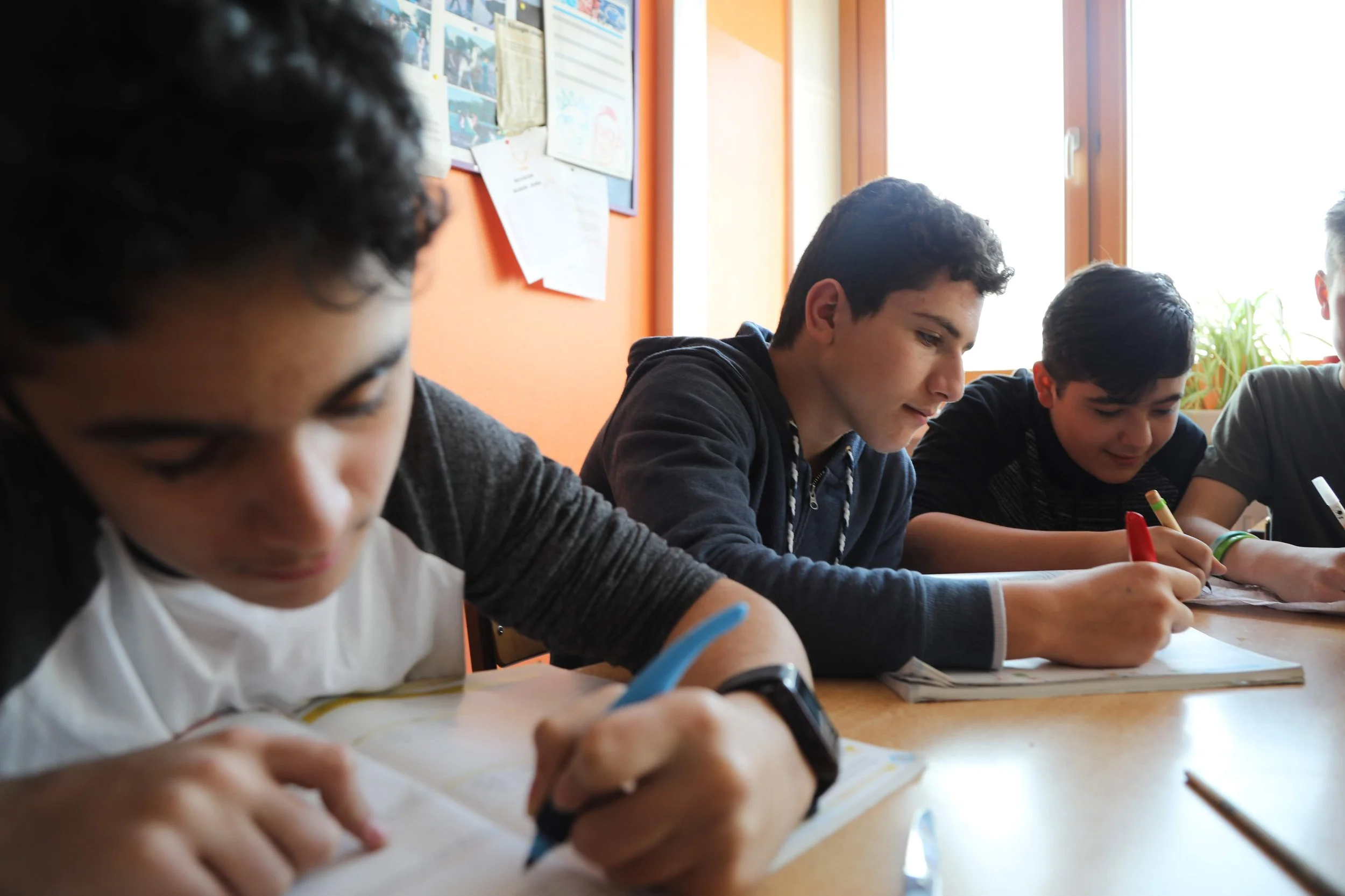
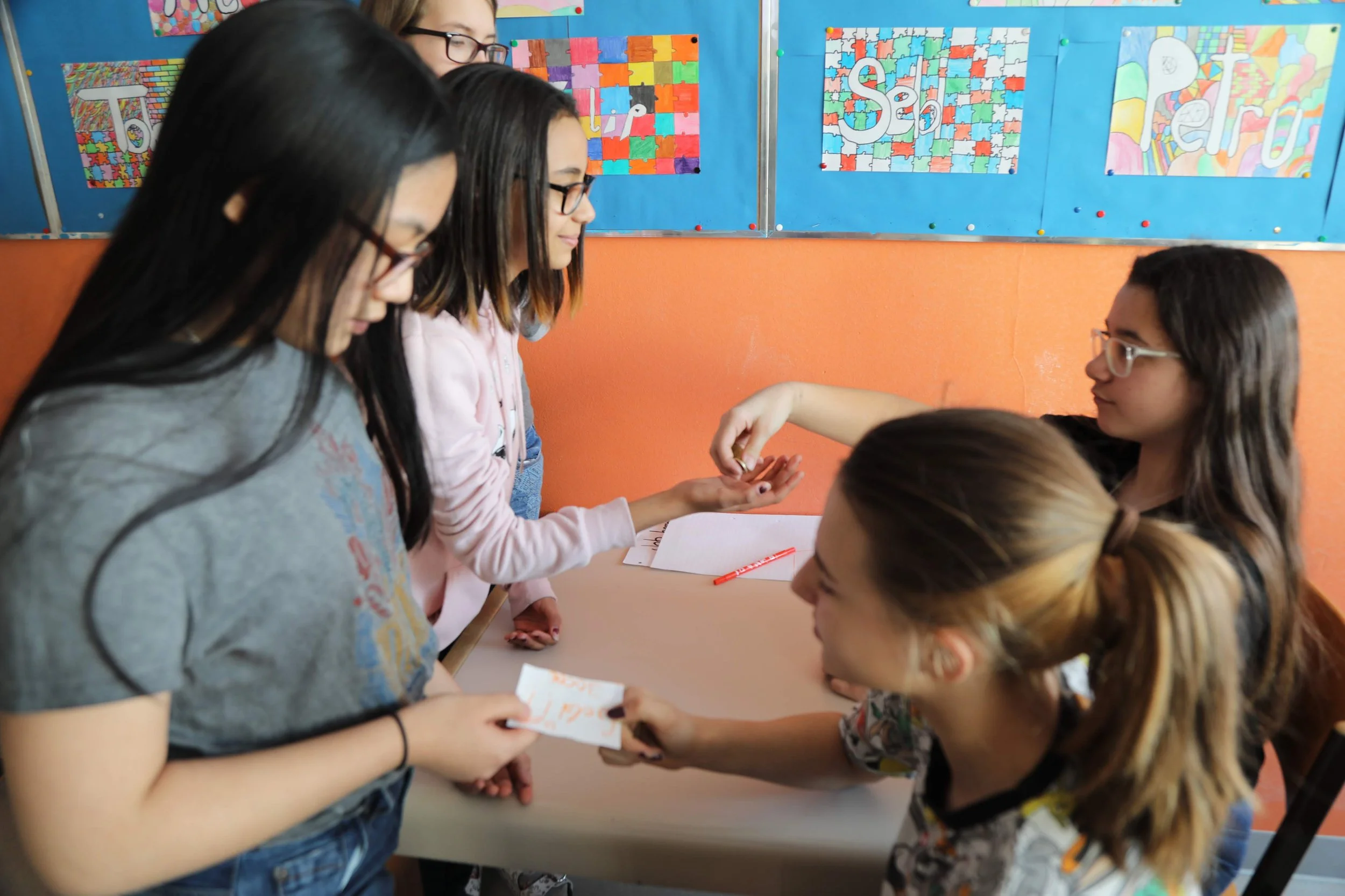
Participants work through a structured creative process that combines research, drama, and digital storytelling. Young people explore personal and collective migration histories, translate these into scenes, images, and performances, and then capture and curate the work digitally. Prospero is central to this process. The platform allows participants to record audio, video, and text responses, upload creative outputs, and organise material into accessible story pathways. Its flexible design supports different languages, literacy levels, and communication styles, ensuring that participation remains inclusive and participant-led.
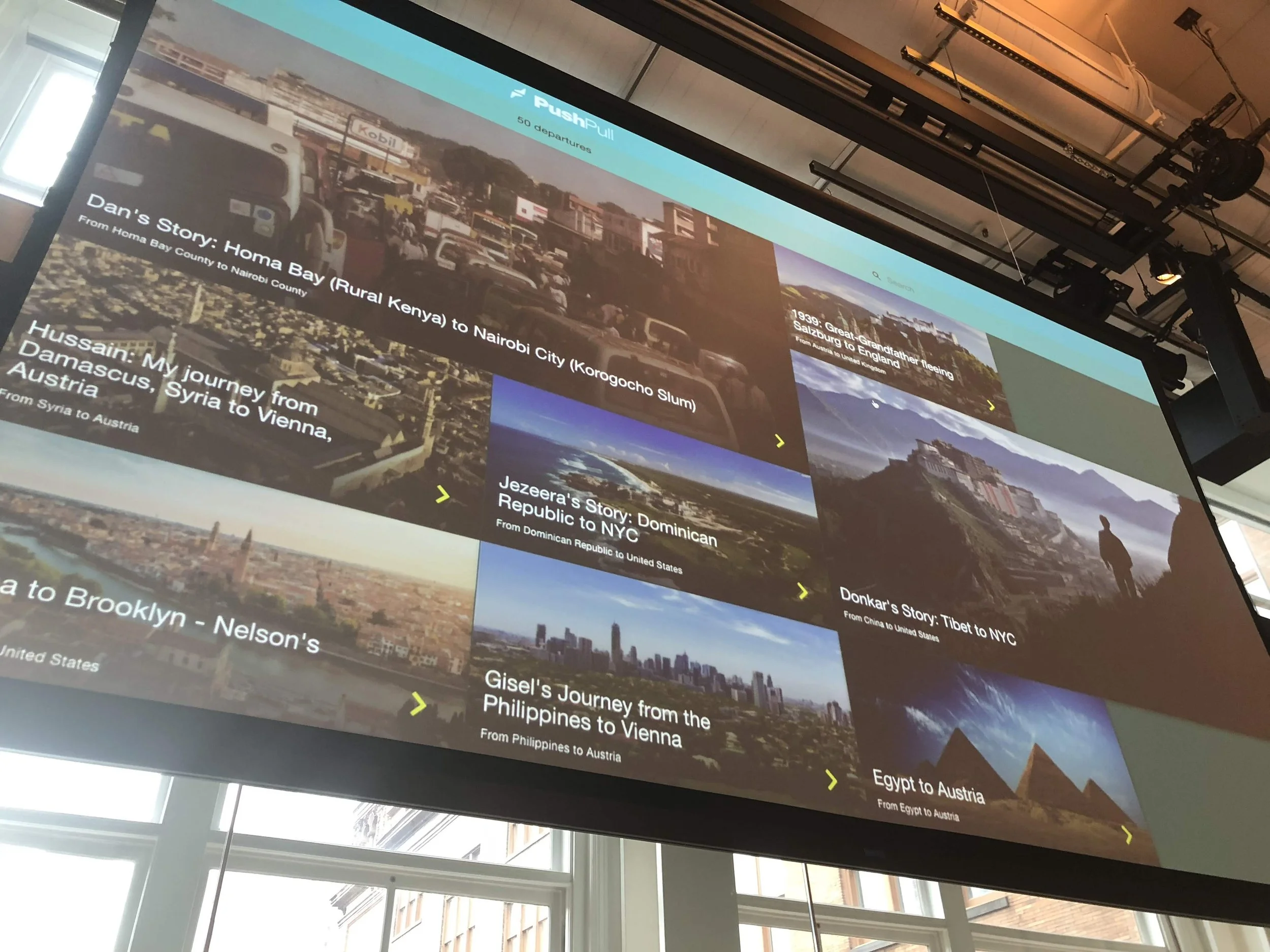
Push Pull has been delivered internationally in diverse contexts. In Vienna, C&T worked with young people from Syrian refugee communities to explore displacement, memory, and belonging following forced migration. In Kenya, the project focused on migration from rural communities into urban Korogocho, examining economic pressure, climate change, and identity through locally rooted stories. In the United States, Push Pull has been delivered across all five boroughs of New York City, engaging young people from multiple migrant backgrounds and connecting personal narratives to global movement patterns.
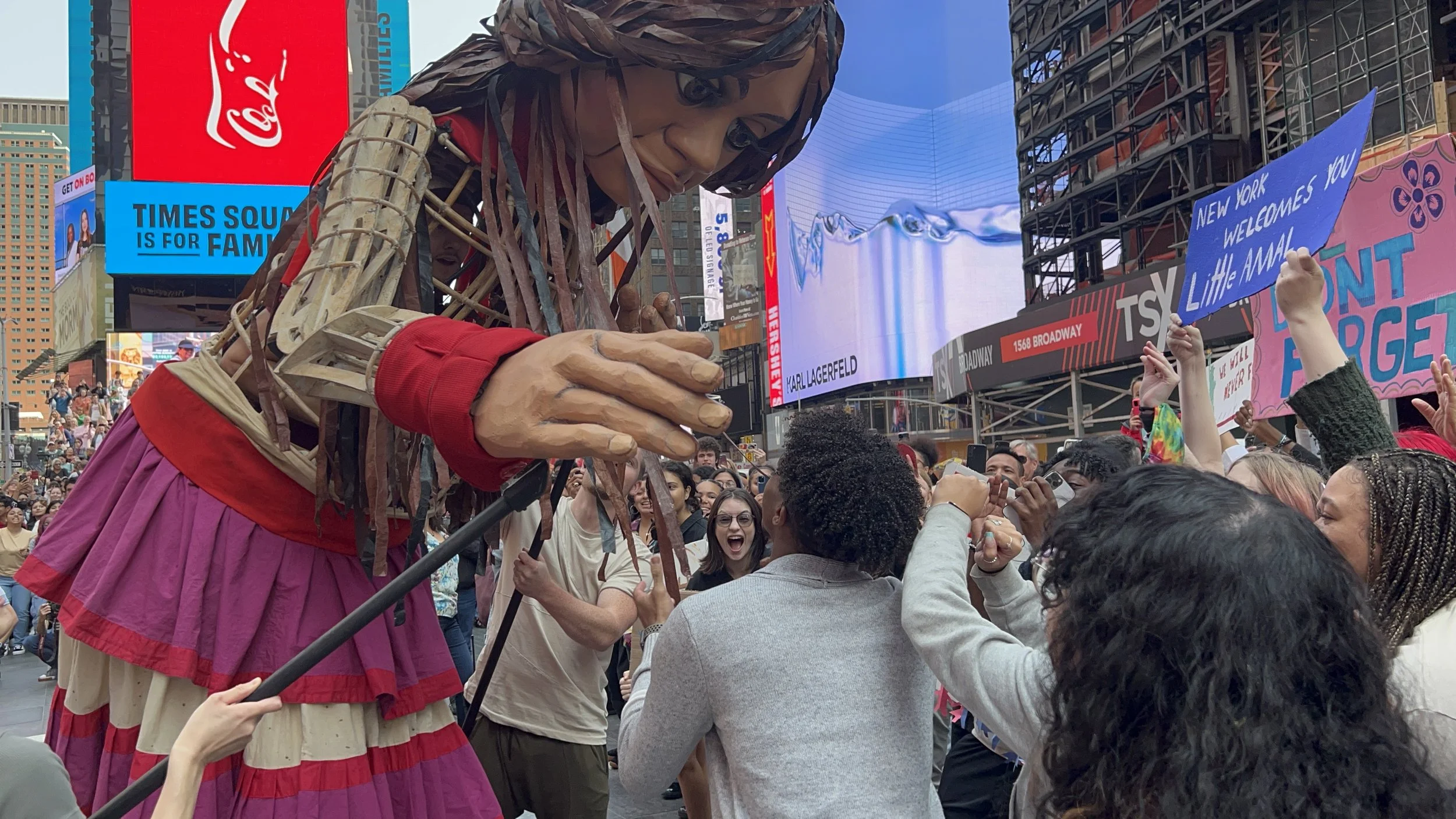
The project was also deployed in New York City as part of Good Chance Theatre’s Little Amal programme, in partnership with St Ann’s Warehouse. Here, Push Pull supported young people to respond creatively to Amal’s journey, using drama and digital tools to situate their own migration stories within a wider international conversation about refuge, welcome, and movement.