

Monday Night Club, Worcester
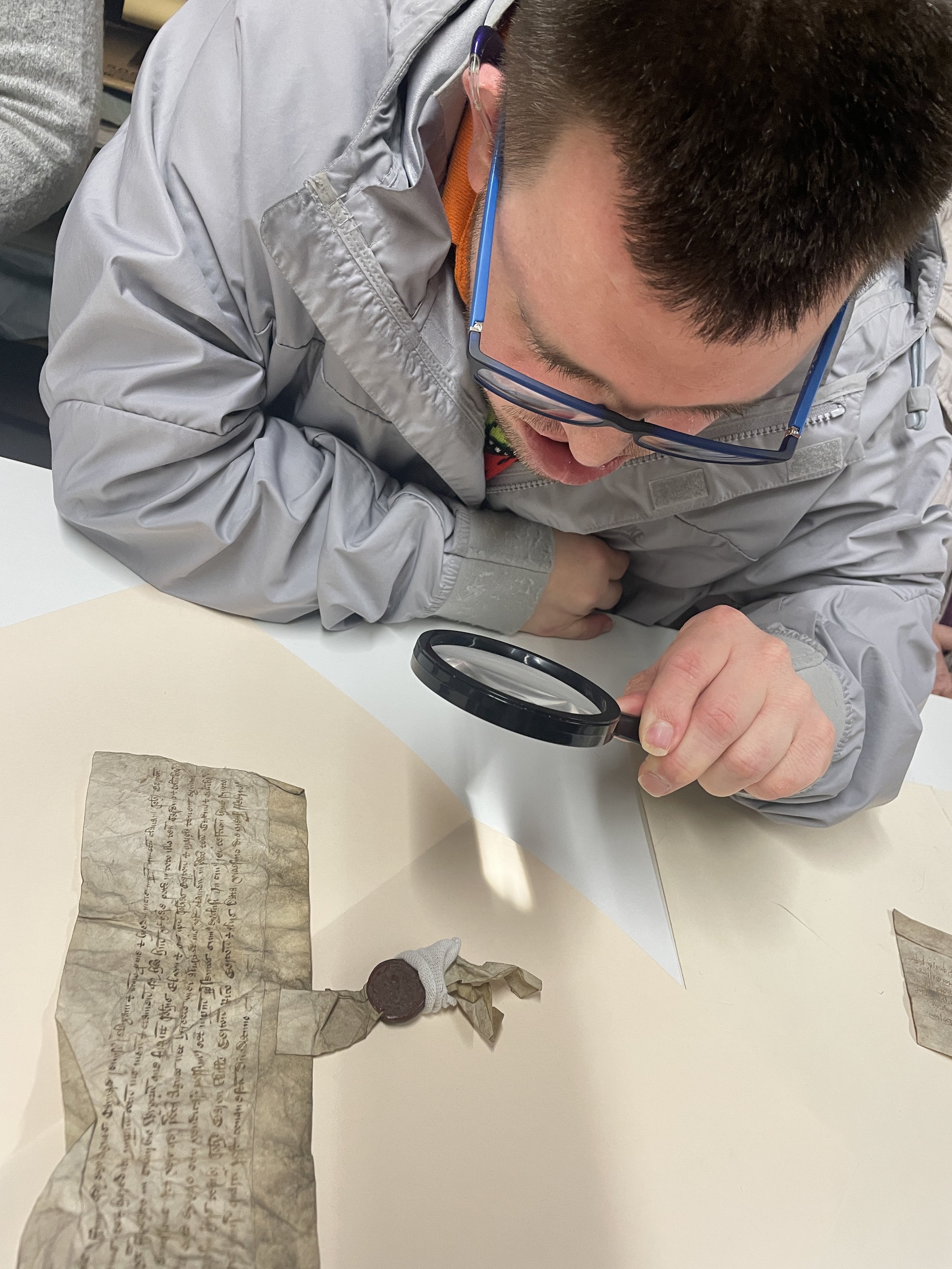
For over a decade, C&T has worked in close partnership with Monday Night Club to develop ambitious, accessible creative projects led by and for learning-disabled adults. This long-standing collaboration is rooted in a shared commitment to equity, creative agency, and the belief that learning-disabled people should be at the centre of cultural production, not on its margins.
Across ten years, our joint practice has combined applied theatre, digital tools, and participatory design to remove barriers to engagement and open up new forms of expression. Projects such as Worcestershire Walks used GPS-triggered audio and playful digital prompts to support accessible exploration of place, enabling participants to contribute stories, memories, and perspectives on their own terms. Our work combining football, physical activity, and smartwatches explored how wearable technology can support wellbeing, motivation, and data-driven storytelling in ways that are intuitive and inclusive. Meanwhile, Saturday Kitchen reimagined familiar social and domestic spaces as creative laboratories, blending performance, routine, and collaboration to foreground everyday expertise and lived experience.
Accessibility for learning-disabled artists and participants has never been an add-on. It has shaped how we design workshops, choose technologies, structure timelines, and define success. Together with Monday Night Club, we have consistently prioritised co-creation, clear communication, sensory awareness, and flexible participation, ensuring that work is both artistically rigorous and genuinely inclusive.
Looking ahead, this partnership is entering a significant new phase through a major heritage project exploring the legacy of Edward Elgar’s work at Powick Asylum. Developed with partners including the Elgar Birthplace Museum, the George Marshall Medical Museum, Worcestershire Archives, and supported by the Heritage Lottery Fund and Arts Council England, this project will place learning-disabled people at the heart of reinterpreting local history, cultural memory, and creative ownership for the future