Elgar at the Asylum: Immersive performance rediscovers Worcestershire's musical heritage
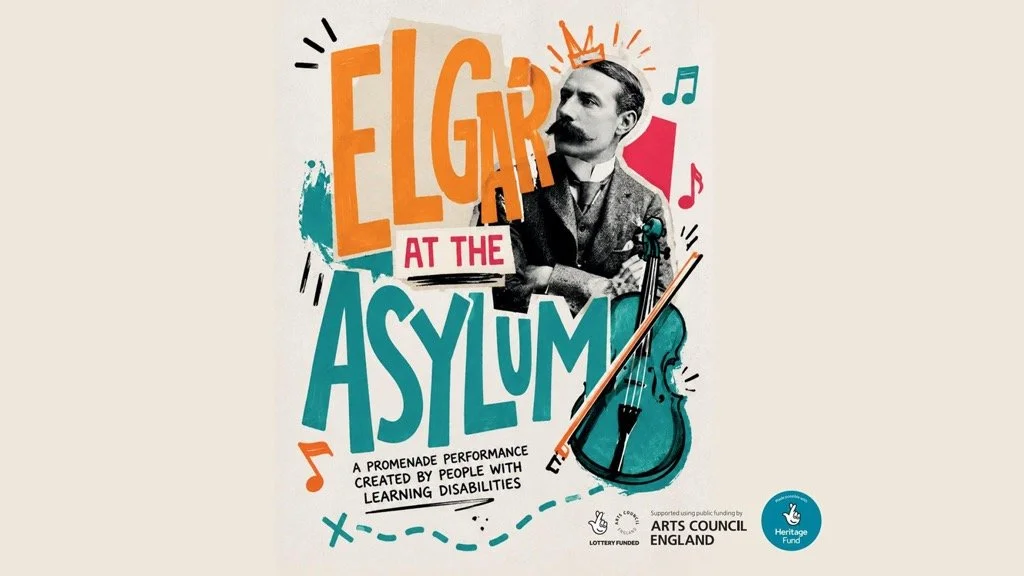
Elgar at the Asylum Logo
In September 2026, C&T will present Elgar at the Asylum, the culmination of a remarkable year-long creative journey exploring one of Worcestershire's most overlooked stories.
The project marks another milestone in C&T's long-standing partnership with the Monday Night Club, a Worcester-based organisation supporting learning disabled adults through social, educational and community activities. Together, our organisations have spent more than a decade developing ambitious creative projects that place learning disabled artists at the centre of cultural life in Worcestershire.
This partnership builds on an even longer history. C&T's work alongside learning disabled people stretches back many years through special education, inclusive theatre practice and collaborations with pioneering companies such as Other Voices and Richard Hayhow, now Artistic Director of Open Theatre. Over time, that work has evolved beyond participatory drama to embrace digital media, film, interactive technology and immersive storytelling, creating new ways for people to express themselves and participate in public cultural life.
Most recently, that journey included Take Control, a three-year programme funded through The National Lottery Community Fund's Reaching Communities programme. Working with professionals in mindfulness, sport and cookery, members of the Monday Night Club collaborated with C&T to create a suite of interactive digital resources using our Prospero participation platform, supporting learning disabled people to develop greater confidence and independence in everyday life.
Elgar at the Asylum represents the next chapter in that partnership.
Many people know Sir Edward Elgar as England's great composer. Far fewer know that his professional career began at Powick Asylum, just outside Worcester, where as a young musician he composed and performed music for patients. Today this work is often recognised as an early example of what we might describe as arts in health, music therapy or creative wellbeing.
For many decades this extraordinary chapter of Elgar's life remained largely hidden—much like the creative achievements of learning disabled people themselves. Discovering this shared history prompted an important question: how might today's learning disabled artists reinterpret and reclaim this remarkable local story?
Supported by The National Lottery Heritage Fund, members of the Monday Night Club have spent the past year working alongside C&T, Worcestershire Archives, the George Marshall Medical Museum and other heritage partners to research the history of Powick Asylum, Edward Elgar and the lives of those connected with the institution.
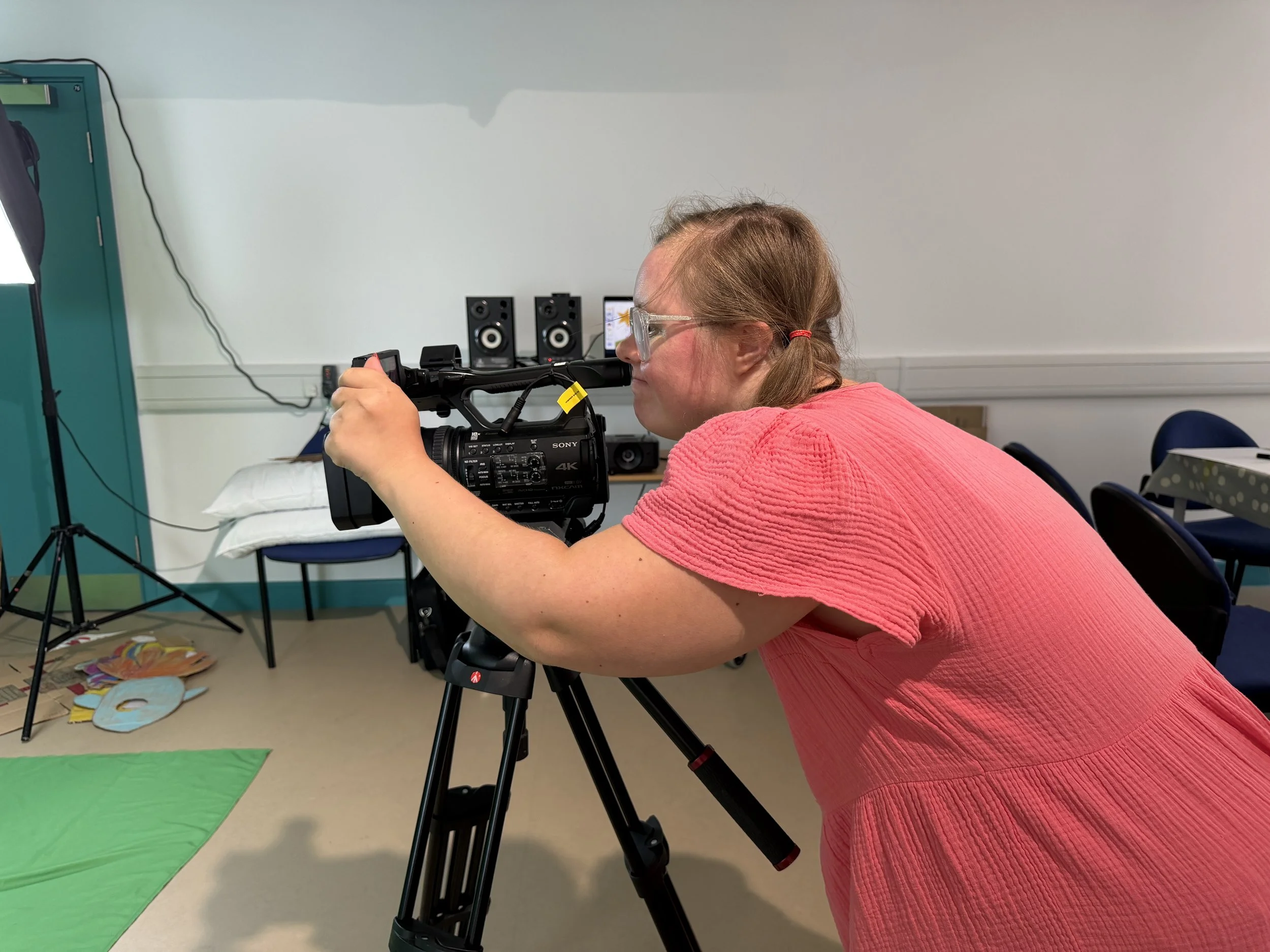
Working with Shadowlight in Oxford.
That research is now being transformed into an ambitious new immersive performance thanks to additional support from Arts Council England.
Presented at Malvern Theatres on 26–27 September 2026, Elgar at the Asylum will invite audiences to move through a series of interconnected artistic experiences, combining theatre, dance, film, visual art, archive material and digital storytelling.
The production brings together an exceptional team of artists and organisations, including Dancefest, Vamos Theatre, Shadowlight Artists, visual artist Kim Piffy, sound designer Paul Carroll, internationally acclaimed artist Jason Wilsher-Mills, together with historians, museum professionals and archive specialists from across Worcestershire.
C&T's award-winning Prospero platform sits quietly at the heart of the experience. Rather than simply guiding audiences from one location to another, Prospero enables visitors to uncover archive materials, encounter different perspectives, reflect on complex ethical questions and assemble their own understanding of this powerful story. Every audience member follows the same journey, but no two experiences will be quite the same.
Perhaps most importantly, Elgar at the Asylum demonstrates what can happen when heritage is interpreted not simply about learning disabled people, but with learning disabled artists leading the creative process. The result is an immersive experience that explores history while asking contemporary questions about creativity, inclusion, care, authorship and whose stories become visible.
Over the coming weeks this blog will follow the making of Elgar at the Asylum, introducing each of the creative partners involved and sharing behind-the-scenes insights into the collaborative process. From archive discoveries and rehearsal rooms to animation, dance, sound and digital interaction, we'll explore how many different artistic voices are coming together to create one extraordinary shared experience.