What Do We Leave Behind?
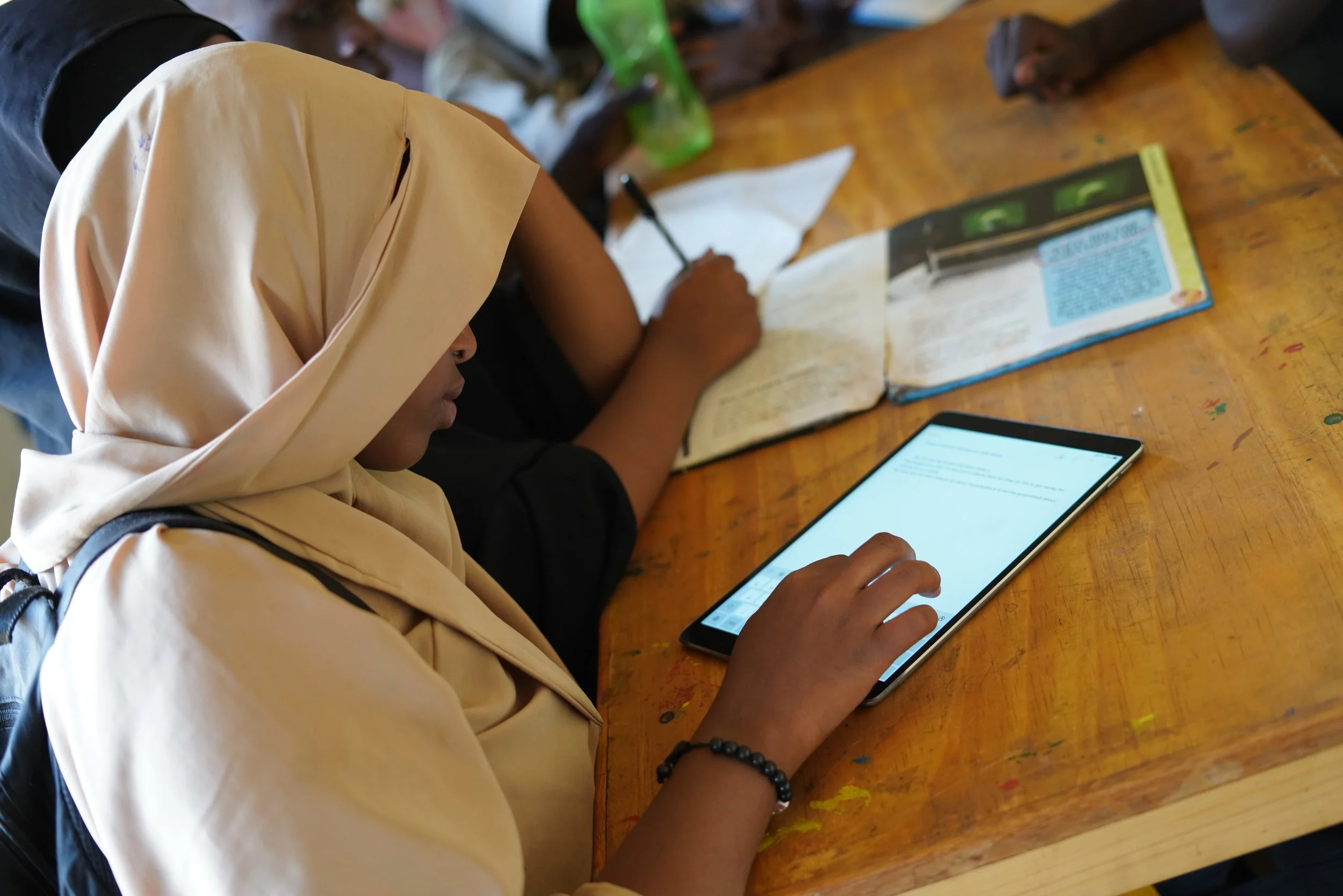
A young woman takes part in a C&T project in Korogocho
Rethinking international creative partnerships through 15 years of collaboration in Korogocho, Kenya.
The real test of an international project isn’t what you take with you. It is what people can continue creating after you leave.
C&T’s relationship with Korogocho began more than 15 years ago. Korogocho is one of Nairobi’s largest informal settlements: a place of considerable economic and social inequality, but also of creativity, resourcefulness and strong community organisation.
Central to our work there has been our long-standing relationship with Peter Mwashi Litonde and Smiles Africa Over the years, we have explored how theatre, storytelling and digital technology might support young people to investigate the issues affecting their lives and make their perspectives more widely heard.
Our earlier collaborations have included community development projects, schools-based education programmes and connecting young people in Korogocho with Kenya’s extraordinary rock-art heritage. These projects created opportunities for participants to encounter cultural histories that might otherwise have felt geographically or socially distant, and to reinterpret them through their own contemporary experiences.
But the most important outcome was never simply the material produced. It was the creative process: young people asking questions, making choices and discovering that their ideas could become part of a larger public story.
From delivering projects to developing capability
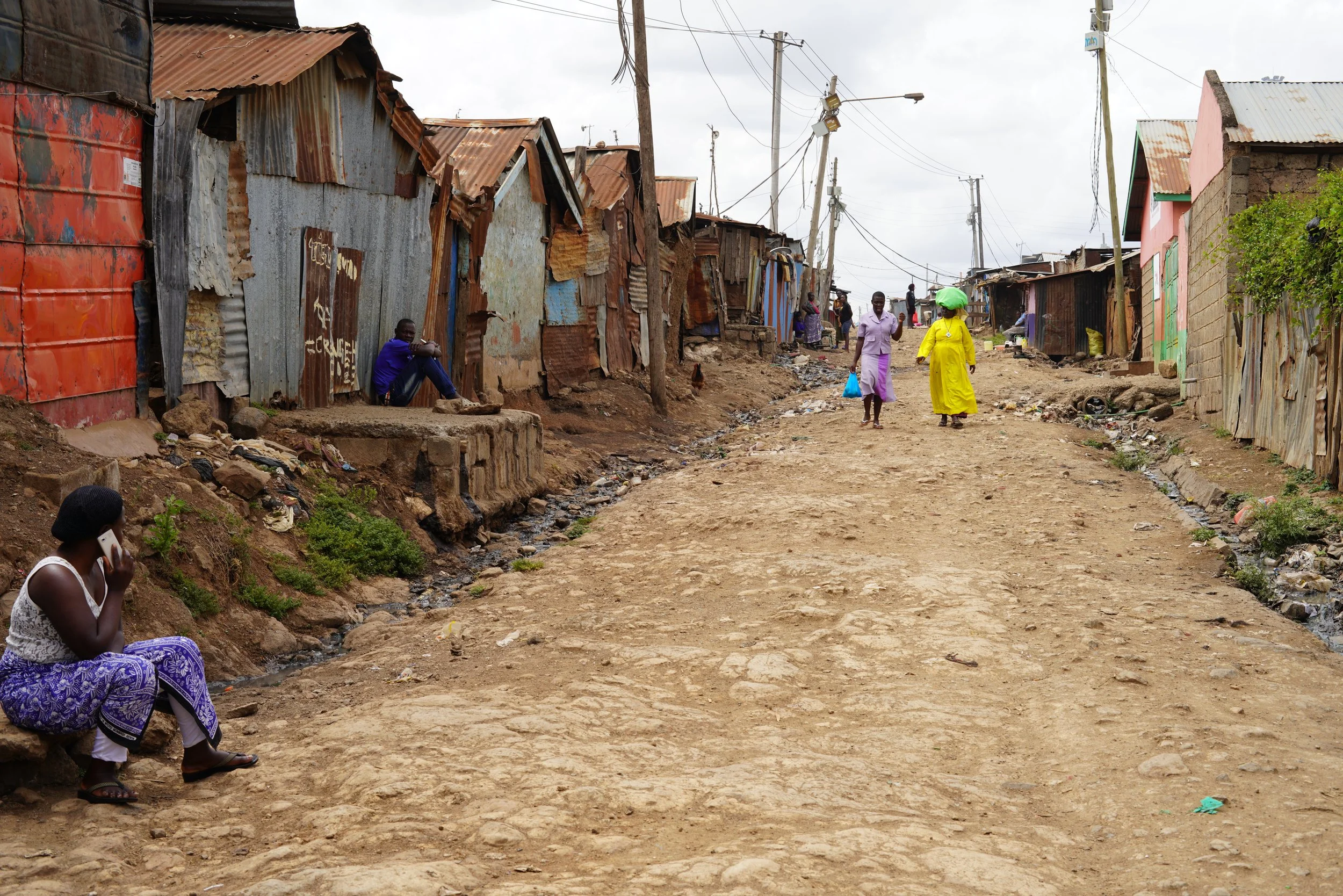
Korogocho
International creative work is often described through what an outside organisation delivers: a series of workshops, a performance, some technology or a collection of new resources. These things matter, but they do not necessarily tell us what remains once the funding ends and the visiting practitioners go home.
Our developing work with Smiles Africa begins from a different question:
What if success were measured by the creative capability that remains in local hands?
We are exploring a programme focused on the experiences of teenage girls and young women, particularly in relation to sexual health and sexual violence. The intention is to bring together methods and organisations that already have strong roots within the community.
Open Space approaches could enable young people to identify the questions that matter to them. Forum Theatre could turn those questions into dramatic situations in which different choices and possible consequences can be explored. Local radio could carry those conversations to a much wider community. Prospero, C&T’s digital platform, could help transform some of the stories into interactive experiences that can be accessed and adapted through smartphones.
The technology is not the starting point. Nor is it intended to replace local knowledge or established ways of working. Its value lies in helping locally created stories travel further, remain available for longer and respond to new circumstances.
Designing for the world as it is
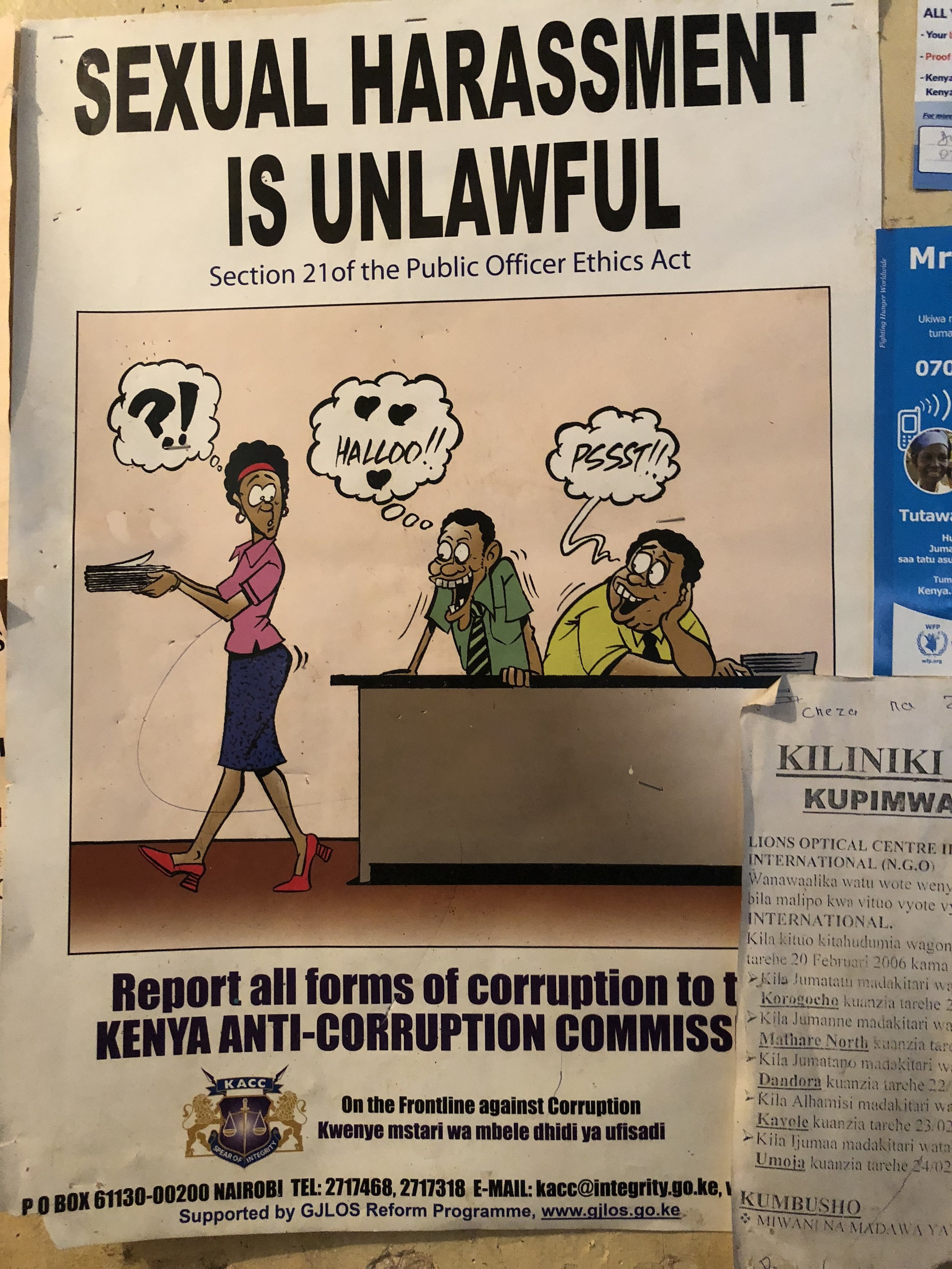
A poster in Korogocho’s community centre
Digital innovation is only meaningful if people can actually use it.
In Korogocho, access cannot be designed around an assumption that every young person has a new smartphone, unlimited data or a laptop at home. A family may share a single basic smartphone. Internet access can be intermittent or expensive. Audio may therefore be more useful than high-resolution video, while radio remains an important and trusted public medium.
These are not peripheral technical considerations. They shape the creative form of the work.
A low-data interactive audio story, developed by young people and shared through Prospero and community radio, may have far greater value than a visually impressive resource that few people can access. Innovation is not about using the most sophisticated technology available. It is about finding the most imaginative use of the technology people already have.
A shared creative infrastructure
Our longer-term ambition is not simply to create another project about Korogocho. It is to support young people and community practitioners to develop the skills and tools to create their own interactive stories, respond to emerging priorities and share their work with others.
This means thinking of Open Space, Forum Theatre, local radio and Prospero not as separate activities, but as complementary parts of a shared participatory system. Each contributes something different: community knowledge, dramatic exploration, public conversation, digital reach and the ability to preserve and adapt what has been created.
The proposed next phase remains in development and will depend upon securing the necessary partnerships and funding. But the principle behind it is already clear.
International collaboration should not be about arriving with a solution. It should create the conditions in which ideas can be developed locally, tested collectively and carried forward without depending permanently upon the organisation that helped initiate the work.
What we leave behind should not be a finished answer. It should be a greater capacity to keep asking questions—and to turn those questions into stories, choices and possibilities.